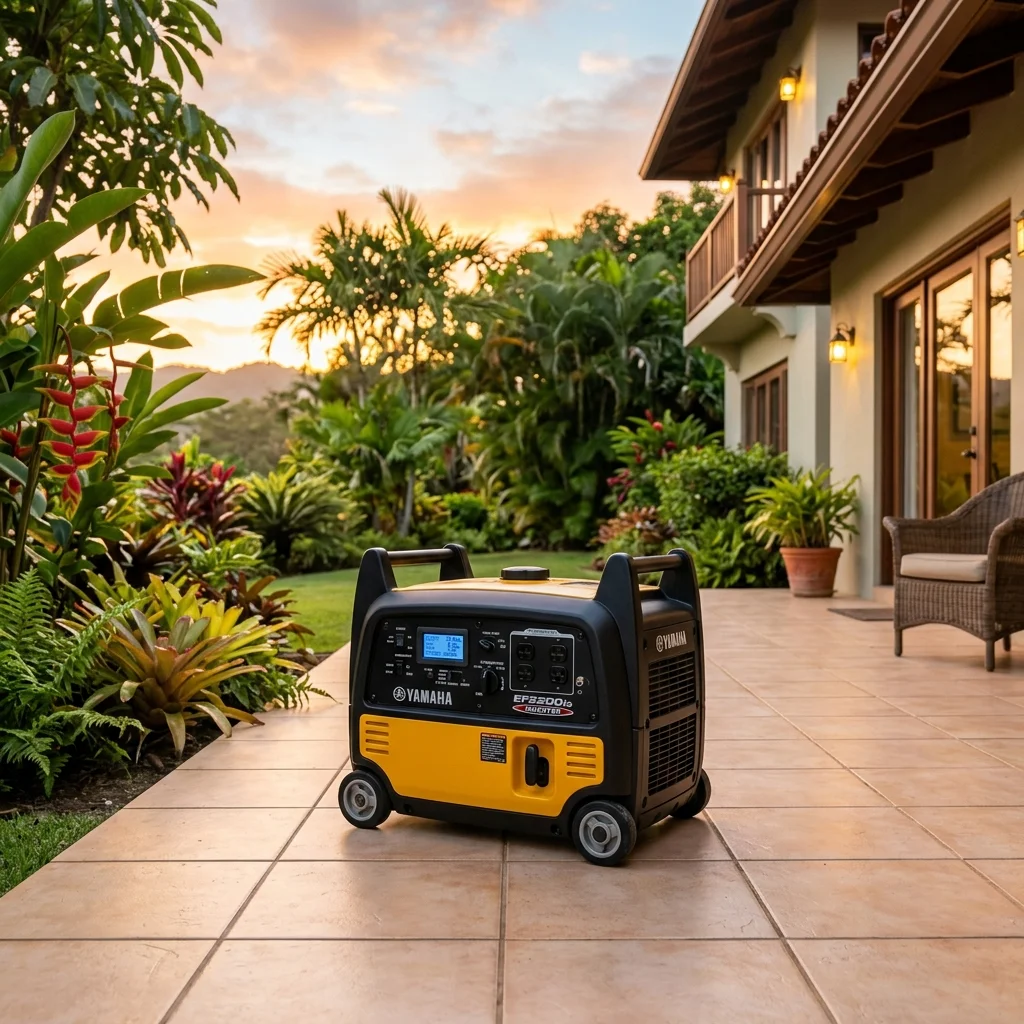
Inverter Generators for Puerto Rico: The Silent Solution to LUMA Blackouts
An inverter generator in Puerto Rico is the optimal power solution for homes experiencing LUMA blackouts. Operating at a fraction of the noise and fuel consumption of conventional open-frame models, they produce clean energy safe for computers, smart appliances, and medical equipment. This guide analyzes how inverter generators work, compares dual/tri-fuel capabilities, and outlines sizing requirements for local households. Read below to gain complete clarity on inverter generator technologies and how they fit the unique environment of the island.
What Is an Inverter Generator and Why Does It Matter in Puerto Rico?
Traditional conventional generators run at a constant speed (usually 3,600 RPM) to generate a standard 60Hz alternating current (AC). If the engine slows down, the voltage and frequency drop, which can cause electrical issues. To solve this, inverter generators use a multi-step electrical conversion. The alternator produces high-frequency, multi-phase AC power, which is then converted to direct current (DC) by the internal computer. Finally, an inverter module converts the DC power back into clean AC power at 120V and 60Hz.
This results in stable, high-quality electricity with less than 3% Total Harmonic Distortion (THD)—matching the quality of power supplied by electrical companies. This clean power profile is critical in Puerto Rico, where household appliances are increasingly electronic and vulnerable to power surges, according to research on energy safety from the US Department of Energy. Without a stable sine wave, the microprocessors inside modern refrigerators, inverter air conditioners, and laptop chargers can experience micro-damage, leading to premature failure.
For Puerto Rico homeowners, this technology matters because grid power from LUMA Energy is notoriously unstable. Even when the grid is active, voltage sags and spikes are common, causing electronic components to wear out quickly. When the grid fails, a conventional generator continues this pattern of unstable voltage, especially as different appliances turn on and off. An inverter generator acts as a buffer, filtering out this electrical noise and ensuring that your most valuable home appliances receive the precise, clean voltage they require to run safely.
Additionally, the multi-step conversion process allows the generator's engine to adjust its speed dynamically. Rather than running at a constant, noisy 3,600 RPM, the engine speed throttles up or down depending on the actual electrical load. If you are only running a few lights and charging your phone, the engine will drop to a quiet idle, dramatically reducing fuel consumption. In a place where fuel logistics can become highly complicated during emergency situations, this fuel efficiency is a vital asset for long-term survival.
Inverter vs Conventional Generator: The Puerto Rico Breakdown
To understand why inverter generators are highly recommended for the Puerto Rico market, consider their performance across fuel consumption, noise levels, and lifespan.
Fuel Consumption: An inverter generator features "Eco Mode" or smart throttle. When your power load decreases, the engine automatically throttles down, burning less fuel. Conventional generators run at full speed regardless of whether you are charging a phone or running an AC, wasting significant fuel. During long-term blackouts, when lines at gas stations can stretch for blocks and fuel is rationed, saving 30% to 50% on fuel consumption makes a massive difference in how long you can maintain power.
Noise Levels: Enclosed in acoustic-dampening shells and using smaller engines, inverter models run between 50 to 60 dBA. Conventional open-frame units have no enclosure and run at 72 to 82 dBA, making them noisy and disruptive. In close-knit neighborhoods or urbanizations in Puerto Rico, running a conventional open-frame generator for hours can cause severe noise pollution, lead to neighbor disputes, and prevent your family from sleeping soundly.
Device Safety: Fluctuating power from conventional generators can overheat sensitive computer power supplies and microprocessors. Inverters supply smooth, clean power that protects your investments. This makes them the only choice for powering home offices, medical equipment such as CPAP machines, and high-end smart home appliances. By spending a bit more on an inverter generator upfront, you prevent costly repairs or replacements of your home electronics.
Dual Fuel Inverter Generator: Why Fuel Flexibility Matters in PR
Dual Fuel inverter generators run on both gasoline and liquid propane gas (LPG). Following major tropical storms or hurricanes in Puerto Rico, finding gasoline can be difficult due to shipping delays, terminal damage, and long lines at gas stations, as documented in historical FEMA disaster logistics logs. Gasoline also deteriorates quickly in hot climates, gumming up the carburetor of a generator if stored for more than 90 days.
Propane is a highly convenient alternative. It is widely available across the island because many households use it for cooking and water heaters. Unlike gasoline, which degrades in a few months, propane does not go bad and can be stored in cylinders for decades without losing its potency. When running a generator on propane, the engine runs cleaner, producing fewer carbon monoxide emissions and extending the lifespan of spark plugs. It also eliminates the risk of fuel spills and carburetor clogging, making it a much lower-maintenance choice.
Furthermore, propane cylinders are easier to transport and store safely during a storm. A standard 20 lb propane tank provides hours of run time on a mid-sized inverter generator. In the hot and humid climate of Puerto Rico, storing gallons of highly volatile gasoline in a garage presents a significant fire hazard. Propane tanks, on the other hand, are designed for outdoor storage and are much safer under extreme heat conditions. Having a generator that can switch between these two fuel sources ensures that you are never left without options.
Tri Fuel Inverter Generator: Maximum Flexibility for Puerto Rico
For the ultimate backup setup, Tri Fuel inverter generators add natural gas (NG) compatibility to gasoline and propane. This represents the absolute pinnacle of fuel flexibility, ensuring that you can power your home regardless of local fuel shortages or supply chain collapses.
If your home or community has a direct connection to a natural gas line, a Tri Fuel generator can run indefinitely during long-term blackouts, without requiring fuel refilling. This provides complete energy independence, allowing you to run your home backup system without worrying about fuel logistics. Even if you do not have a natural gas connection, having a tri-fuel capability ensures that you can utilize larger commercial propane tanks or any available gasoline source during a major disaster.
While Tri Fuel units are slightly larger and require a dedicated regulator system, the peace of mind they offer is unmatched. During the weeks following a major hurricane, fuel distribution is often prioritized for hospitals and emergency services, leaving residential consumers to wait in line for hours. A Tri Fuel generator allows you to bypass these lines entirely by using whatever fuel source is currently available, making it the most resilient choice for whole-home backup on the island.
What Size Inverter Generator Do You Need for Your Puerto Rico Home?
Inverter generators are available in several sizes, categorized by wattage output. Selecting the right size requires understanding what appliances you need to power during a blackout.
2,000 to 2,500 Watts (Lightweight): Weighing around 40 to 50 lbs, these are highly portable and ideal for running a refrigerator, fans, lights, and charging devices. They are easy to move, fit in the trunk of a car, and are perfect for basic emergency backup or outdoor activities.
3,500 to 4,500 Watts (Mid-Sized): The sweet spot for most Puerto Rico homes. These units can easily run a refrigerator, essential lights, fans, a microwave, a water pump, and a 12,000 BTU inverter air conditioner. They offer a great balance of power capacity, fuel economy, and portability.
7,000 to 9,000+ Watts (High Capacity): Heavy-duty inverter generators designed for whole-home backup. They provide enough output to run multiple inverter ACs, water pumps, water heaters, and kitchen appliances simultaneously, making them the closest thing to a standby generator without the high installation cost.
You can use our Wattage Sizing Calculator to determine your exact household power requirement.
Inverter Generator Noise: Why It Matters in Puerto Rico Neighborhoods
In urbanizations and condominiums in Puerto Rico, houses are built close together. Running a loud conventional generator during a blackout can lead to noise complaints from neighbors. Inverter generators operate quietly, allowing you to place them in your yard or on a balcony (if permitted) without causing a disturbance.
Inverter generators typically operate between 50 to 60 decibels (dBA), which is comparable to the sound of an office or refrigerator. Conventional generators run at 70 to 80+ dBA, which is four times louder and can damage hearing or violate local neighborhood noise ordinances. This quiet operation also ensures that your family can sleep soundly at night, which is crucial during the stressful days following a major storm.
Furthermore, local municipalities in Puerto Rico are increasingly enforcing noise regulations during emergencies to maintain peace in residential zones. Using a quiet inverter generator ensures that you remain compliant with local laws, maintain good relations with your neighbors, and enjoy a much more peaceful living environment during stressful grid outages. Protecting your hearing and reducing stress levels are essential components of long-term emergency survival.


