
Dual & Tri Fuel
Genmax GM17000iETC 17000W Starting / 13500W Running Tri-Fuel Inverter Generator with 2-Wire Auto Start
13,500W
Tri Fuel (Gas, Propane, Natural Gas)
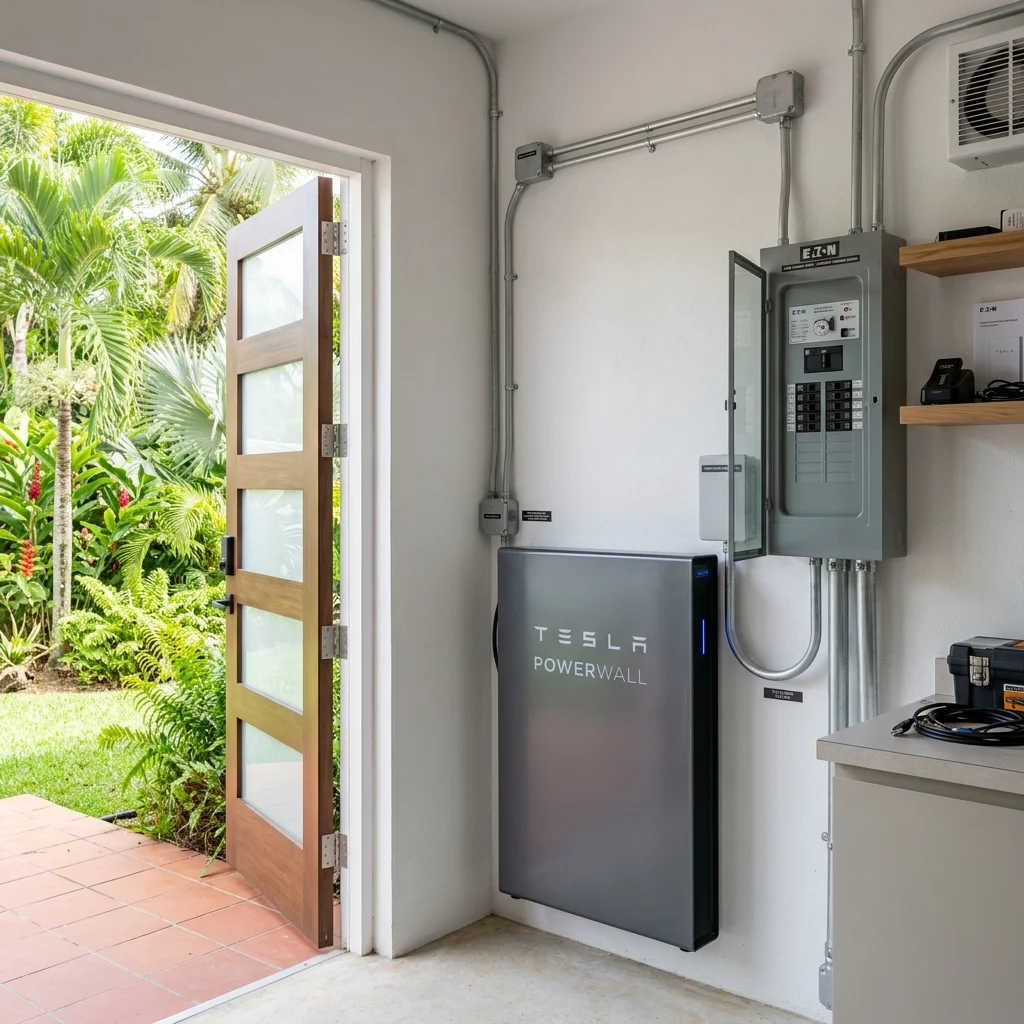
Selecting a reliable home backup power system in Puerto Rico requires aligning your household wattage needs, budget constraints, and fuel availability. Whether you reside in a metro townhouse or a rural estate, this guide outlines the four primary backup power systems, breaks down equipment requirements by home size, provides budget tiers, and discusses safe integration using transfer switches. Read below to gain complete clarity on home backup technologies and how they fit the unique environment of the island.
The electrical grid in Puerto Rico, managed by LUMA Energy, suffers from structural vulnerability due to aging generation plants and transmission systems. According to independent energy monitoring reports, the average frequency of service interruptions in Puerto Rico is several times higher than the US mainland average, with repair times stretching significantly longer during stormy weather. These metrics on grid reliability and outage tracking are documented in regular reports from LUMA Energy Performance Reports. Even on clear, sunny days, substation failures, vegetation contact, and load-shedding events cause sudden, unannounced blackouts across the island.
For homeowners, these numbers prove that an emergency power system is essential for maintaining household security. Without a backup, extended blackouts result in food spoilage, damage to electronics from voltage spikes, and the loss of climate control during hot tropical days. To protect your family from safety hazards during these blackouts, consult the FEMA emergency preparedness guidelines. The economic impact is also severe: a single major outage lasting several days can result in hundreds of dollars of spoiled groceries, hotel costs, and lost productivity for remote workers.
Furthermore, the island's water supply system (AAA) is closely tied to the electrical grid. When power goes down, water pump stations lose electricity, resulting in water service interruptions for many communities. Homeowners who install backup power systems can also power their water cistern pumps, ensuring that their household maintains both electricity and running water during extended outages. This makes a home backup system a dual-purpose investment in basic sanitation and daily survival.
Understanding the historical performance of the grid is essential for long-term planning. The recovery from Hurricane Maria took nearly a year in some remote communities, and Hurricane Fiona left parts of the island without power for weeks. With climatologists predicting increasingly active hurricane seasons, the probability of facing another multi-week grid collapse remains high. Relying solely on the public utility grid is a significant risk, and a self-sustained home backup system is the only way to guarantee safety and comfort for your household.
Homeowners looking to install emergency backup systems generally select from the following configurations. Each option offers a different balance of capacity, convenience, fuel requirements, and initial investment.
Standby Generators: Large, permanently installed units (usually 12kW to 22kW) connected to propane or diesel lines. They turn on automatically via an Automatic Transfer Switch (ATS) during a blackout, supplying power to the entire house within seconds. They represent the most convenient option, but require professional installation, local permits, and a constant fuel supply from large storage tanks.
High-Capacity Inverter Generators: Portable or semi-portable gasoline/propane units (6,000W to 9,000W) that supply clean, stable power. They must be manually connected to a transfer switch or interlock kit in your electrical panel. They offer a great balance of high wattage output and fuel efficiency at a fraction of the cost of a standby system.
Solar Generator Systems (Solar + Batteries): High-capacity battery storage systems (like EcoFlow DELTA Pro or large ALLPOWERS units) paired with rooftop or portable solar panels. They provide silent, fuel-free energy and require virtually no maintenance. They can be installed indoors and are safe for apartments and townhouses where combustion engines are prohibited.
Hybrid Systems: A combination of a solar battery system (for overnight silent runs) and a dual-fuel inverter generator (for rapid daytime battery charging and heavy loads). This setup represents the ultimate in grid resilience, allowing you to run your home silently at night while minimizing gasoline or propane consumption during long-term blackouts.
Your home's square footage and appliance inventory dictate your backup capacity. Sizing your system correctly ensures you can power your essential loads without overloading the system.
Small Homes (1-2 bedrooms, under 1,200 sq. ft.): Typically require a 2,000W to 3,500W system. This is sufficient to run a refrigerator, fans, lighting, router, and TV. This setup is highly portable and easy to manage, making it a great entry-level solution for couples or small families who only need to cover essential daily activities.
Medium Homes (3 bedrooms, 1,200 to 2,200 sq. ft.): Typically require a 5,000W to 7,500W system. This can support a refrigerator, water pump (1/2 HP), microwave, lights, and one inverter air conditioner (12,000 BTU). This capacity is the sweet spot for the average Puerto Rican family, allowing them to maintain comfortable living conditions during extended outages.
Large Homes (4+ bedrooms, over 2,200 sq. ft.): Typically require 9,000W or more. This allows running multiple air conditioners, a water pump, electric appliances, and household lighting simultaneously. It often requires a permanently installed standby generator or a large, expandable battery bank with a comprehensive solar array to handle the heavy load.
Emergency backup setups can be customized to match different investment levels. Homeowners should choose a tier that matches their financial comfort and long-term residency plans.
Entry-Level ($500 - $1,500): Consists of a portable 2,500W to 4,000W gas inverter generator or an entry-level 1,500Wh battery power station. This setup is ideal for running a refrigerator, fans, and charging devices using extension cords. It requires manual operation and fuel storage, but provides essential protection at an affordable price.
Mid-Range ($1,500 - $4,500): Features a high-capacity 7,000W+ dual-fuel inverter generator with manual transfer switch installation, or a 3,600Wh expandable battery backup station. This tier allows running a water pump and an air conditioner, providing a high level of comfort without the premium cost of a permanent standby system.
Premium ($5,000 - $15,000+): A complete solar generator system with 10kWh+ of battery capacity and 1,600W+ of solar panel input, or a permanently installed standby generator with automatic transfer capability. This configuration offers seamless, hands-free operation and full energy independence, making it the ultimate solution for long-term island residents.
When designing your backup power plan, prioritizing your electrical loads will save you money on equipment and fuel. A whole-home backup system is designed to run everything in your house, including central air conditioning, water heaters, and electric stoves. While this offers the maximum convenience, it requires a massive initial investment and consumes fuel at a rapid rate.
An essentials-only backup system focuses on keeping critical items running: your refrigerator (to prevent food spoilage), your water cistern pump (to maintain sanitation), your router and devices (to stay connected), and fans or a small inverter air conditioner (to prevent heat-related health issues). Because these loads require significantly less wattage, you can use a smaller, quieter, and more fuel-efficient system. This approach also reduces the amount of fuel you need to store at home, which is a major safety advantage.
To transition from essentials to comfort, many homeowners use a manual transfer switch. This device allows you to select which circuits in your electrical panel receive generator power. During a blackout, you can keep the refrigerator and lights active constantly, and only flip the switch for the air conditioner or water pump when needed. This selective management reduces load on your generator, increases fuel efficiency, and prevents system overloads.
Local conditions vary across the 78 municipalities. Homeowners in coastal cities like San Juan, Ponce, Mayagüez, and Carolina must account for high humidity and salt air, which accelerate corrosion in metal components. For these areas, purchasing a generator with a rust-resistant enclosure or using a high-quality weather-resistant cover is essential. Regular maintenance, including cleaning electrical terminals and applying anti-corrosion spray, will significantly extend the life of your equipment.
In mountainous areas like Utuado, Adjuntas, Jayuya, and Orocovis, road closures during landslides and tropical storms can delay fuel deliveries for days or weeks. In these regions, having a solar backup or high-capacity propane storage is highly advantageous. A solar generator with folding panels ensures that you can charge your batteries daily, even if local roads are blocked and gas stations are closed. We deliver home backup systems directly to all municipal areas, ensuring secure transport and delivery.
Furthermore, the offshore island municipalities of Vieques and Culebra face unique logistical challenges. Fuel prices are higher, and deliveries are dependent on ferry schedules. For residents of these islands, solar-powered battery backup systems represent the most reliable and cost-effective solution. By reducing or eliminating the need to transport gasoline from the mainland, solar systems provide energy security that is immune to maritime shipping disruptions, ensuring you stay powered through any emergency.


