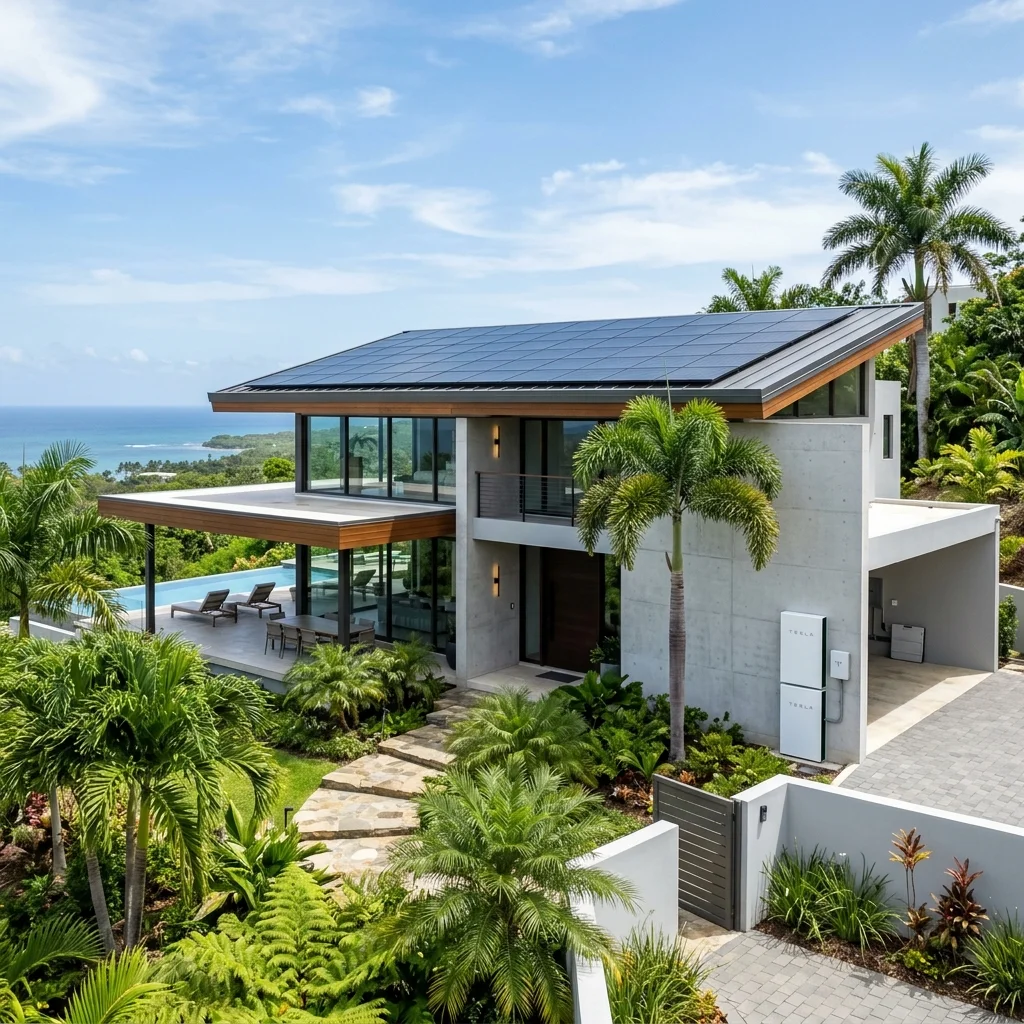
Solar Power for Puerto Rico: Generators, Panels & Battery Systems
A solar generator in Puerto Rico offers a clean, reliable, and noise-free alternative to traditional gasoline generators. Given the island's abundant solar radiation, solar generator setups provide sustainable energy during extended LUMA grid failures. This guide details how portable solar setups function, compares solar and gas performance, outlines apartment-friendly balcony solar options, and explains the SURI IVU tax process on all solar purchases. Read below to gain complete clarity on solar generator technologies and how they fit the unique environment of the island.
Why Puerto Rico Is One of the Best Places for Solar Power
Located in the Caribbean, Puerto Rico receives high solar irradiance year-round, averaging over 5 to 6 hours of peak sunlight daily. This average tropical irradiance is detailed in reports from the National Renewable Energy Laboratory (NREL). This abundant solar resource makes solar energy a highly viable option for residential and commercial backup power. Rather than relying on imported fossil fuels that must be distributed across a fragile road network, solar systems allow homeowners to harvest energy directly from their rooftops or balconies, converting sunlight into immediate electricity.
Additionally, Puerto Rico's electricity rates are among the highest in the United States, and utility grid reliability under LUMA Energy remains low. This grid instability is tracked in regional outage monitoring reports, including historical data from NOAA Solar Resource maps. By installing a solar backup system, you can protect your home from sudden blackouts while reducing your reliance on expensive grid power, locking in long-term savings. The combination of high utility rates and frequent blackouts makes solar power one of the most economically sound investments a resident can make on the island.
The geographical location of the island also exposes it to seasonal hurricanes and tropical storms. During these events, the centralized power grid often collapses entirely, taking weeks or even months to recover. Under such conditions, a solar-powered backup system provides a continuous source of energy that does not depend on fuel supply chains. While gasoline and diesel stations face shortages and long lines after a major storm, the sun continues to rise, providing a reliable, daily source of electricity that can power essentials such as refrigeration, water pumps, and communication equipment.
Furthermore, the transition to solar energy supports Puerto Rico’s long-term sustainability goals. By reducing reliance on imported oil and coal, local solar installations help mitigate the environmental impact of electricity generation on the island's delicate tropical ecosystems. Whether you are motivated by environmental concerns, the economic burden of high utility bills, or the simple need for a reliable backup system during a blackout, the sun provides a clean, abundant, and free source of power that is perfectly suited to the Puerto Rican environment.
The Three Types of Solar Power Products for Puerto Rico
When building a portable off-grid solar system, it helps to understand the core components available. Designing a system that matches your home requires selecting the right combination of power storage, solar capture, and battery expansion.
Portable Power Stations (Solar Generators): The battery core that houses the inverter, charge controller, and output ports. It stores energy and supplies standard AC and DC power to your devices. Modern power stations use LiFePO4 (Lithium Iron Phosphate) chemistry, which offers over 3,500 charge cycles—equivalent to more than 10 years of daily use. These units include multiple outlets, USB ports, and high-voltage DC ports to run everything from smartphones to heavy-duty appliances.
Solar Panels (Rigid, Flexible, or Foldable): Photovoltaic panels that capture sunlight and convert it into DC electricity to charge your battery station. Foldable panels are ideal for emergency storage and apartment balconies, as they can be easily packed away when not in use. Rigid panels offer higher durability and are designed for permanent outdoor installation on roofs or yards. Flexible panels are lightweight and can be mounted on curved surfaces, providing versatile installation options.
Expandable Batteries: Add-on battery packs that connect directly to your primary power station to double or triple your overall runtime during multi-day blackouts. If your power needs grow over time, you do not need to buy an entirely new power station. Instead, you can purchase an expansion battery that plugs into your existing unit, allowing you to scale your system's capacity to handle prolonged outages or run high-power appliances like air conditioners.
Solar Generator vs Gas Generator: Which Is Better for Puerto Rico?
Both systems are excellent for backup power, but serve different needs. Understanding the operational trade-offs is essential for selecting the right system for your home and lifestyle.
Noise and Emissions: Gas generators are loud (70+ dBA) and emit toxic carbon monoxide exhaust, requiring outdoor operation at least 20 feet away from windows. This makes them dangerous and illegal for indoor or balcony use. Solar generators are completely silent and emission-free, making them safe to use inside living rooms, kitchens, or bedrooms. They are the only viable choice for apartment and condominium residents who face strict building regulations.
Fuel Logistics: Gasoline and propane require storage and trips to fuel stations, which can be challenging during hurricane recovery. Gasoline also degrades in hot tropical climates and can clog your generator's carburetor if left unused. Solar energy is free and abundant, requiring only daylight to recharge. You do not need to worry about fuel lines, fuel prices, or hazardous storage at home, as the system charges silently and safely via the sun.
Startup Power and Maintenance: Gas generators can handle heavy continuous loads (like central air conditioning and water heaters) more easily than compact battery systems. However, high-end expandable battery systems now match gas generator output. Gas generators also require constant maintenance, including oil changes and spark plug replacements. Solar generators are virtually maintenance-free, with no moving parts to break or oil to change, making them highly reliable when you need them most.
How Solar Panels Work with Battery Power Stations
Solar panels capture sunlight and generate DC electricity. This electricity flows into the power station's MPPT (Maximum Power Point Tracking) charge controller, which regulates the voltage and current to charge the battery safely. The MPPT controller continuously tracks the voltage output of the panels to ensure the maximum possible energy is extracted, even during cloudy or overcast conditions when solar output fluctuates.
When you plug in an appliance, the station's pure sine wave inverter converts the stored DC battery power back into 120V AC electricity. Many portable power stations support "pass-through charging," allowing you to power your devices while the solar panels are charging the battery. This creates a continuous power loop, where you can run essential items like refrigerators and fans during the day while simultaneously storing excess energy in the battery to keep them running through the night.
The efficiency of this system depends on the solar input capacity of the power station and the wattage of the connected panels. For instance, if your power station can accept up to 400W of solar input, pairing it with 400W of panels will maximize the charge speed. pure sine wave inverters are critical because they deliver clean, stable electricity that matches utility quality. This ensures that sensitive microprocessors in laptops, medical equipment, and smart appliances operate safely without risk of overheating or damage.
Solar Power for Apartments in Puerto Rico
For condominium and apartment residents in areas like Condado, Hato Rey, or Isla Verde, gas generators are not a viable option due to safety regulations and space constraints. Most homeowners associations (HOAs) prohibit the use of combustion engines on balconies due to the fire hazard, noise, and toxic fumes.
Solar generators are the perfect solution. You can place portable, foldable solar panels on your balcony or patio during the day to capture sunlight, running the extension cord inside to charge your battery station. This provides silent, clean backup power for refrigerators, routers, lights, and fans without violating building rules or endangering your family. Balcony solar setups are becoming increasingly popular in San Juan’s high-rises, where residents seek independence from frequent grid failures.
To maximize charging on a balcony, it is important to understand the orientation of your building. A south-facing balcony will receive the most sunlight throughout the day in Puerto Rico, while east- and west-facing balconies will receive direct sunlight only in the morning or afternoon. Portable, lightweight solar panels can be adjusted throughout the day to trace the sun's path, ensuring you capture every watt of available energy. This flexibility makes portable solar generators the ultimate backup option for urban apartment living.
How Many Solar Panels Do You Need for Puerto Rico?
The number of solar panels you need depends on the battery capacity of your power station and your daily energy usage. For example:
- Entry-Level (1,000Wh Station): Typically requires one or two 100W to 200W solar panels. Can be fully recharged in 5 to 7 hours of direct sunlight. This setup is perfect for powering laptops, smartphones, routers, and a small refrigerator during short outages.
- Mid-Range (2,000Wh Station): Best paired with two to four 200W panels (400W–800W total solar input) for a full recharge in 4 to 6 hours. This is the ideal setup for most families, providing enough capacity to run a full-size refrigerator, fans, and medical devices overnight.
- High Capacity (3,600Wh+ Station): Requires 800W to 1,600W of solar panel capacity (using multiple 400W rigid or portable panels) to recharge in a single day. This heavy-duty configuration can power high-wattage items like water pumps and inverter air conditioners, ensuring whole-home comfort during extended blackouts.
IVU Tax and SURI on Solar Products in Puerto Rico
All solar equipment shipped to Puerto Rico is subject to the 11.5% IVU sales tax under Puerto Rico Treasury (Departamento de Hacienda) regulations. PR Electric Direct helps you navigate this process by providing complete SURI documentation and step-by-step guidance with every order.
Whether you're purchasing solar panels, charge controllers, inverters, or battery storage systems, we provide the commercial invoices and SURI filing instructions you need to clear your shipment efficiently. No confusing customs paperwork, no guesswork — just clear, direct guidance from a team that ships to Puerto Rico every day.
By choosing PR Electric Direct, you gain a logistics partner that understands the SURI Levante process inside and out. We provide all the paperwork, answer your questions in real time, and ensure your solar equipment arrives at your door without port delays or surprise fees.


