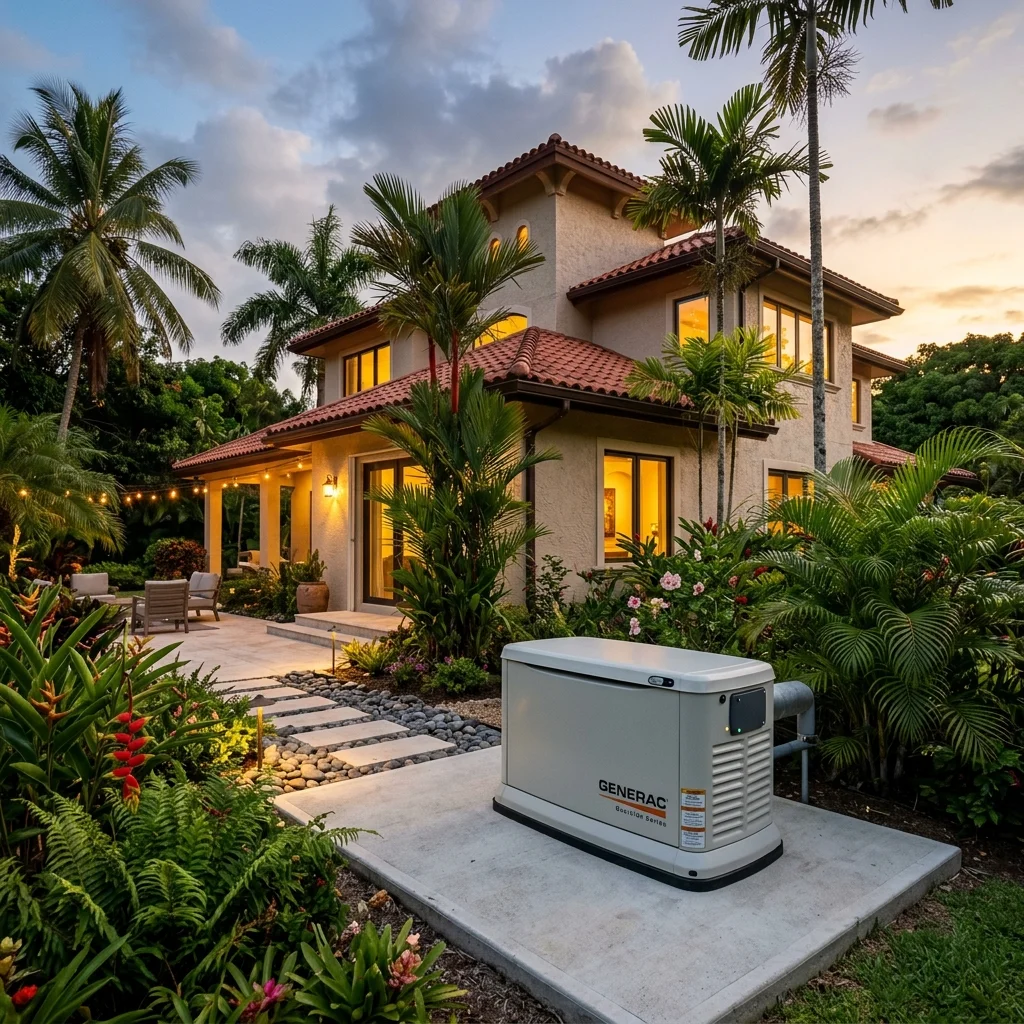
Generators for Puerto Rico: Everything You Need to Know Before Buying
Frequent grid instability, high utility rates, and extended blackouts under LUMA Energy make reliable backup power a necessity in Puerto Rico. This comprehensive guide covers the essential factors Puerto Rico residents must consider before purchasing a generator: selecting between inverter, conventional, and solar systems; calculating wattage; navigating the 11.5% IVU tax and SURI declaration process; and ensuring secure delivery to any of the 78 municipalities. Read below to gain full clarity on SURI tax requirements, shipping regulations, and technical specifications tailored for the island.
Why Puerto Rico Has Unique Generator Needs
Living in Puerto Rico means dealing with one of the most fragile electrical grids in the United States. Following the devastation of Hurricanes Irma and Maria in 2017, and subsequent storms like Hurricane Fiona in 2022, the Puerto Rico electrical infrastructure remains highly vulnerable. Even on clear days, voltage fluctuations, micro-outages, and sudden blackouts are common across the island. The transition of the transmission and distribution system to private operator LUMA Energy has not fully resolved these chronic grid failures, leaving thousands of homes and businesses in the dark on a weekly basis.
Data from LUMA Energy indicates that the average Puerto Rican household experiences significantly more outages per year than the US mainland average. These frequent blackouts do more than disrupt daily life; they cause critical food spoilage, damage sensitive electronics due to power surges, and threaten the lives of individuals dependent on medical equipment. Whether you live in the metropolitan area of San Juan, the coastal plains of Ponce, or the rugged central mountains of Utuado and Jayuya, the lack of grid reliability is a shared island-wide reality.
In addition to the frequency of outages, the quality of power delivered by the grid in Puerto Rico is often unstable. Voltage sags and spikes can silently degrade the lifespan of expensive appliances like refrigerators, inverter air conditioners, and water pumps. A high-quality generator or solar battery backup system acts as a protective buffer, ensuring your home receives stable, clean power when the main grid fails. Because utility prices on the island remain among the highest under the US flag, many residents also look to solar-powered generators as a step toward full energy independence.
Emergency preparedness on the island also requires accounting for the logistical challenges of post-storm scenarios. When a major hurricane makes landfall, supply chains are disrupted, road access is blocked, and fuel stations experience extreme shortages. Having a generator that is highly fuel-efficient, or a solar generator that charges via the sun, ensures that you can sustain power for weeks without relying on external fuel deliveries. In short, backup power in Puerto Rico is not an optional luxury—it is an essential requirement for security, health, and peace of mind.
Types of Generators Available in Puerto Rico
When preparing for power outages, homeowners and business owners have three primary categories of backup power systems to choose from. Each technology has distinct operational trade-offs, fuel requirements, and safety profiles that dictate their suitability for different residential settings on the island.
Inverter Generators: These are compact, highly efficient units that convert AC power to DC and back to a stable AC sine wave. They produce clean energy with less than 3% Total Harmonic Distortion (THD), making them completely safe for sensitive electronics. Furthermore, they feature smart throttle systems that adjust engine speed to match the electrical demand, which translates to massive fuel savings. Inverter generators are the ideal choice for residential areas where noise and fuel conservation are major priorities.
Conventional (Open-Frame) Generators: These are traditional, high-wattage units that run at a constant speed of 3,600 RPM. They offer high power capacity at a lower upfront cost, making them capable of running heavy machinery or multiple large appliances simultaneously. However, they are extremely loud (often exceeding 75 dBA), consume fuel at a high rate regardless of the load, and produce "dirty" power with high THD. Running sensitive electronics directly on an open-frame generator is not recommended as it can damage microprocessors over time.
Solar Generators (Portable Power Stations): These battery-powered systems charge via solar panels, the grid, or a car charger. They use lithium-based chemistry (typically LiFePO4 for modern units) and are completely silent, emission-free, and safe to run indoors. They are the only viable option for apartment and condominium dwellers who are prohibited from using internal combustion engines. While they have a higher upfront cost and finite battery capacity, they eliminate the need to purchase, transport, and store gasoline or propane.
How to Choose the Right Generator Size for Puerto Rico
Sizing a generator correctly is crucial for both safety and cost-effectiveness. An undersized generator will overload and shut down when heavy appliances cycle on, while an oversized unit will consume excessive fuel and cost more than necessary. To determine the correct size, you must calculate both the running (rated) watts and starting (surge) watts of the appliances you plan to run.
Running watts are the continuous power an appliance requires to operate. Starting watts are the extra power required by motorized appliances (like refrigerators, air conditioners, and water pumps) to start their motors. This surge lasts for only a few seconds but must be accounted for in your total wattage calculation. To size your system, identify the single highest starting surge watt among your appliances, add it to the sum of the running watts of all appliances you want to run simultaneously, and select a generator with a rated and surge capacity that exceeds this total.
| Appliance | Running Watts | Starting Watts |
|---|---|---|
| Refrigerator / Freezer | 700 W | 1,200 W |
| Inverter AC (12,000 BTU) | 1,000 W | 1,500 W |
| Water Pump (1/2 HP) | 800 W | 2,000 W |
| Laptop Charger | 60 W | 60 W |
| LED Light Bulbs (x5) | 50 W | 50 W |
| Microwave Oven | 1,200 W | 1,500 W |
| Wi-Fi Router & Modem | 20 W | 20 W |
For a detailed, customized calculation based on your specific appliances, use our interactive Wattage Sizing Calculator. Many homes in Puerto Rico are equipped with water cisterns (cisternas) that utilize electric water pumps (bombas de agua). These pumps require a high starting surge (typically 1,500W to 2,500W), meaning a small 2,000W conventional generator will struggle or fail to start them. A generator in the 3,500W to 4,500W class is usually the sweet spot for running essential household items, including a refrigerator, water pump, lights, fan, and router.
Inverter Generator vs Conventional: Which Is Better for Puerto Rico?
While conventional generators offer high wattage at a lower initial price, inverter generators are generally the superior choice for residential neighborhoods in Puerto Rico. The density of homes on the island, particularly in suburban urbanizations and residential developments, means that noise pollution is a significant source of friction between neighbors during extended blackouts. Conventional generators run at a constant 3,600 RPM, producing a deafening roar (often 75 dBA or more) that can easily violate local noise ordinances and disrupt sleep. In contrast, inverter generators operate between 50 to 60 dBA, which is comparable to a normal conversation.
Fuel efficiency is another major factor. Because conventional generators run at a fixed speed, they consume the same amount of fuel whether they are powering a single light bulb or running at full capacity. Inverter generators feature an economy mode (smart-throttle) that adjusts the engine speed based on the load. If you are only running your refrigerator and a few LED lights at night, the engine will quiet down to a whisper and consume a fraction of the fuel. During a major hurricane blackout when fuel supplies are disrupted and gasoline lines last for hours, conserving fuel is not just a matter of saving money—it is a critical survival tactic.
Finally, power quality is paramount. Conventional generators have high Total Harmonic Distortion (THD), which refers to electrical noise and voltage fluctuations. While this is fine for power tools or incandescent bulbs, it can cause microprocessors in smart appliances, televisions, laptops, and CPAP machines to overheat and fail. Inverter generators output a clean sine wave with less than 3% THD, matching or exceeding the quality of power delivered by a utility company. Buying a cheaper conventional generator to save money upfront can end up costing you thousands of dollars in damaged household electronics.
Gas vs Solar Generator in Puerto Rico
The choice between gasoline/propane and solar backup systems depends on your living situation, physical space, and operational preferences. Both systems have unique advantages and limitations that must be weighed carefully.
Gasoline and propane generators are excellent for running high-surge appliances like water heaters, conventional air conditioners, and washing machines over long periods. As long as you have access to fuel, you have continuous power. However, they require regular maintenance (oil changes every 50 to 100 hours), generate hot exhaust, and must be operated outdoors at least 20 feet away from windows and doors to prevent carbon monoxide poisoning, following safety directives from the CDC Carbon Monoxide Guidelines. Storing large quantities of volatile fuel at home also presents safety risks, especially in hot tropical climates.
Solar generators, such as portable battery power stations from brands like EcoFlow and ALLPOWERS, require no fuel, are silent, and produce zero emissions. They can be operated safely inside your living room or bedroom. When paired with high-efficiency solar panels, they recharge using Puerto Rico’s abundant sunlight, which averages 5 to 6 peak sun hours per day. They are ideal for apartments and condominiums where internal combustion engines are prohibited by homeowners associations (HOAs). The main limitation of solar generators is the recharge time and the capacity limit of the battery, meaning you must plan your power usage carefully and prioritize essentials.
For many homeowners, the ultimate solution is a hybrid setup. This involves using a fuel-efficient inverter generator during the day to run heavy loads, recharge water cisterns, and cool down the house, while simultaneously charging a solar battery station. At night, the gas generator is turned off to save fuel and respect the neighbors' peace, and the home runs silently on the battery station to power fans, routers, and refrigerators. This hybrid approach maximizes fuel efficiency, minimizes noise, and ensures continuous comfort.
IVU Tax and SURI: What Puerto Rico Generator Buyers Must Know
All goods shipped into Puerto Rico are subject to the 11.5% IVU (Impuesto sobre Ventas y Uso) sales tax, administered by the Puerto Rico Department of the Treasury (Departamento de Hacienda). For shipments valued at $2,500 or more, the customer must also file a formal import declaration — known as a "Levante" — through the SURI (Sistema Unificado de Rentas Internas) portal before the carrier releases the goods.
Navigating SURI and Hacienda can feel overwhelming — especially if it's your first order to the island. That's why every PR Electric Direct order includes full SURI guidance. We provide you with the exact documentation, commercial invoice details, and step-by-step instructions you need to file your Levante declaration and pay your IVU quickly and without confusion. You can read our detailed SURI IVU Tax Guide for a complete walkthrough of the process.
By purchasing from a specialized retailer like PR Electric Direct, you avoid the confusion and delays that often affect first-time importers. We handle the logistics, provide all customs paperwork, and stay in direct communication with you throughout the process — from order placement through final delivery to your door. Our goal is to make the tax and customs process as painless as possible so you can focus on what matters: keeping your home powered.
Shipping Generators to All 78 Municipalities in Puerto Rico
Many online retailers refuse to ship large generators, battery power stations, or solar panels to Puerto Rico due to the logistics of maritime transport, hazard classification of lithium batteries, and local tax complexities. This often leaves island residents with limited, overpriced options at local big-box stores.
PR Electric Direct specializes in direct ocean freight shipping to the island. We handle all logistics, including customs clearances, SURI documentation, and local port transfers. We provide fully insured delivery directly to your door in all 78 municipalities—from the metro area of San Juan, Bayamón, and Carolina, to remote mountain towns like Utuado, Adjuntas, and Jayuya, as well as the offshore island municipalities of Vieques and Culebra. You can check our shipping logistics guide for more information on routes, insurance, and delivery times.
Shipping large items containing lithium-ion batteries requires compliance with strict hazardous materials (hazmat) regulations set by the Department of Transportation and ocean carriers. Our logistics team is fully certified to pack, document, and ship these high-capacity battery systems safely. We track your shipment from our mainland warehouse to your doorstep in Puerto Rico, ensuring it arrives fully insured against damage or loss during transit. No matter where you live on the island, we bring reliable power solutions directly to you.


