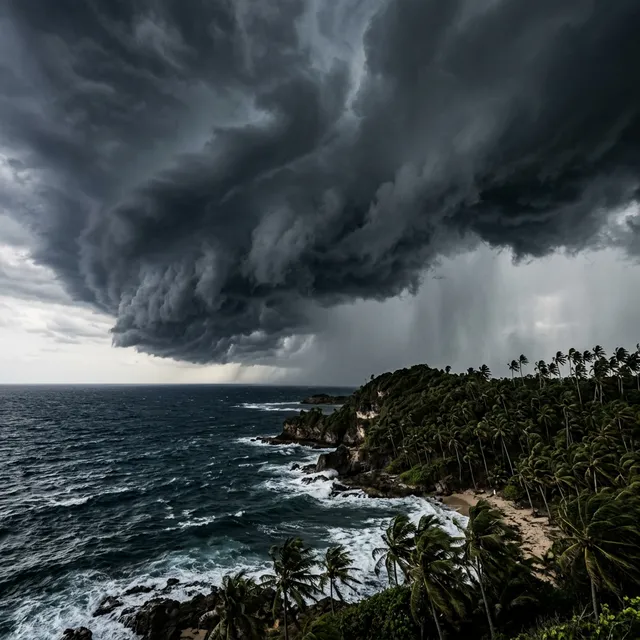
Forecasters predict a below-average 2026 hurricane season with 8-14 named storms. However, historical precedents show that even below-average years can produce catastrophic storms for Puerto Rico. The critical danger window remains mid-August to late October. Secure your backup power at least 96 hours before a storm hits, as local inventory and maritime shipping will collapse.
If you are looking for information on the Puerto Rico hurricane season 2026 forecast and predictions, this climatological analysis will help you prepare. As we trace the effects of the El Niño-Southern Oscillation (ENSO), the thermodynamic realities of the Atlantic basin spell a clear warning for the Caribbean. The devastation left by past storms remains a sobering baseline, and historical years like 1992 (Andrew) remind us that below-average activity does not mean zero risk. When searching for reliable Puerto Rico hurricane season 2026 predictions, the data dictates smart preparation over panic. As your chief preparedness resource, PR Electric Direct presents the official numbers. Make sure to review our blackout survival checklist and consult our comprehensive Hurricane Power Prep Guide as part of your family’s planning.
Climatological Analysis: The El Niño Effect
Meteorologists track the El Niño-Southern Oscillation (ENSO) as the primary indicator of Atlantic cyclone activity. When Pacific waters warm (El Niño), upper-level westerly winds in the Atlantic shear increase substantially, disrupting storm formation.
“Vertical wind shear is the primary storm killer. In 2026, the forecasted presence of this shear, driven by El Niño, suppresses cyclone formation. However, high sea surface temperatures mean any storm that does develop can rapidly intensify, meaning residents must not let down their guard.”
Statistical Forecast vs. Historical Average
Data aggregated from NOAA’s official below-normal 2026 forecast and Colorado State University hurricane forecasts.
The Vulnerability Window for Puerto Rico
Statistical data confirms that Puerto Rico is not equally vulnerable throughout the 6-month season. The true threat window is concentrated in a tight 60-day period.
The “Cone of Panic” Phenomenon
The most severe mistake made by residents is waiting for the National Hurricane Center to place Puerto Rico within the 5-day “Cone of Uncertainty” before sourcing their LUMA power outage backup solutions.
- T-Minus 120 Hours: A tropical depression forms in the Main Development Region (MDR). It is named.
- T-Minus 96 Hours: Models shift. Puerto Rico enters the edge of the cone.
- T-Minus 72 Hours: Logistical Collapse. Maritime shipping to the island is suspended. Local hardware stores sell out of 100% of their reliable inverter generator stock. Ocean freight shipping is shut down, and panic buying begins.
- T-Minus 48 Hours: Secondary markets flood with price-gouged, inferior generators.
If you are not fully equipped by T-Minus 96 hours, you are mathematically too late to run an appliance audit on our generator wattage calculator and secure a reliable generator.
Actionable Preparedness Framework
Do not wait for the statistical peak on September 10th. Equip your home utilizing this tier-based strategy, keeping in mind the FEMA emergency preparedness guidelines:
- Tier 1 (Urban/Apartment): An indoor-safe, silent portable power station (minimum 1500Wh) paired with a 200W foldable solar panel array. This guarantees indefinite power for a refrigerator, CPAP machine, and communications.
- Tier 2 (Suburban Comfort): A 4,000W+ closed-frame inverter generator. Capable of running the foundational essentials plus an 8,000 BTU window AC unit to mitigate heat exhaustion.
- Tier 3 (Whole Home Resilience): A dual-fuel high-capacity inverter (6,500W+) wired directly into a manual transfer switch, powering the entire home minus central HVAC.
Where to Track Storms in Real Time
Staying informed is critical during a storm. Monitor the following official, non-sensationalized resources:
- National Hurricane Center (NHC) - Official tropical weather outlooks, tracking maps, and storm surge warnings.
- NWS San Juan Office - Localized forecast warnings, rain estimates, and flood watches for Puerto Rico and the US Virgin Islands.
- NOAA ENSO Tracker - Real-time monitoring of Pacific sea-surface temperature anomalies and vertical wind shear metrics.
Prepare for the 2026 Season
Equip your household with an indoor-safe battery backup or a high-efficiency inverter generator today.